
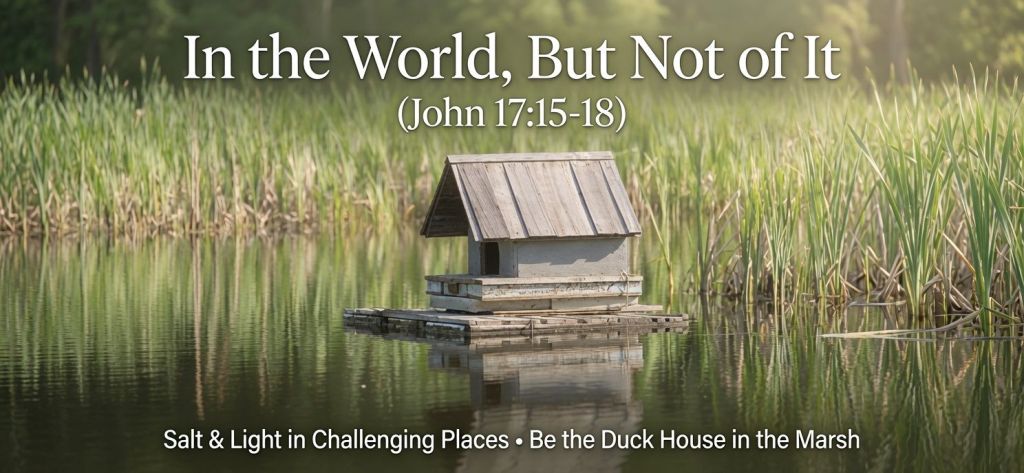
In many parts of the Western world today, Christians find themselves in cultural settings dominated by progressive, secular, or liberal worldviews. These environments—often urban centers, university towns, or certain professional spheres—emphasize values like individual autonomy, moral relativism, expansive personal freedoms (especially regarding sexuality, gender, and identity), skepticism toward traditional religion, and rapid social change. While such places can offer opportunities, diversity, and cultural vibrancy, they also present real challenges for believers committed to historic biblical Christianity.
Common Difficulties
– “Social and Cultural Pressure”: Biblical convictions on topics such as marriage (one man and one woman), the sanctity of life, sexual ethics, or the exclusive claims of Christ are frequently viewed as outdated, intolerant, or even harmful. This can lead to strained relationships, workplace tensions, social exclusion, or accusations of bigotry.
– “Worldview Clash”: Everyday life is shaped by assumptions that truth is subjective, self-expression is supreme, and institutions (including the church) should evolve with cultural trends. Objective moral standards rooted in Scripture are often dismissed as oppressive.
– “Isolation and Temptation”: Faithful believers may feel like outsiders. Some face subtle (or overt) marginalization in education, media, or community life. Others wrestle with the pull toward compromise to maintain peace or belonging.
– “Impact on Family and Discipleship”: Raising children, mentoring the next generation, or maintaining gospel-centered marriages requires intentional effort amid competing influences.
– “Spiritual and Emotional Strain”: Constant exposure to opposing ideas can foster discouragement, spiritual warfare, or questions about whether it’s worth standing firm.
These realities echo the experience of the early church, which thrived not in a “Christian culture” but under pagan Roman rule.
A Biblical Framework
Scripture never promises believers a comfortable cultural majority. Jesus told His disciples: “If the world hates you, know that it has hated me before it hated you” (John 15:18). Yet He also commissioned us to be “in the world” while not “of the world” (John 17:14-18).
– “We Are Exiles and Sojourners”: Peter describes Christians as “elect exiles” (1 Peter 1:1; 2:11). Our primary citizenship is in heaven (Philippians 3:20). This frees us from the need to win cultural dominance or despair when culture shifts.
– “Light in Darkness”: Jesus calls us “the light of the world” and “salt of the earth” (Matthew 5:13-16). Salt preserves and flavors; light exposes and guides. Withdrawal or assimilation both fail—faithful presence with distinctiveness is the calling.
– “Grace and Truth”: We are to speak the truth in love (Ephesians 4:15), walk wisely toward outsiders (Colossians 4:5-6), and pray for those who oppose us (Matthew 5:44). Contending for the faith (Jude 3) does not require being quarrelsome.
– “The Power of Ordinary Obedience”: The Gospel advances through transformed lives—joyful marriages, integrity at work, hospitality, generosity, and quiet faithfulness—more than through political victories. The Holy Spirit empowers perseverance (Philippians 1:6; Jude 24).
Practical Encouragement for Faithful Living
1. “Root Yourself Daily”: Prioritize Scripture, prayer, and dependence on Christ. A strong personal walk guards against drift.
2. “Invest in the Local Church”: Even (especially) in hostile settings, a faithful Bible-teaching congregation provides community, accountability, and mutual edification (Hebrews 10:24-25).
3. “Live Winsomely”: Focus on the fruit of the Spirit (Galatians 5:22-23)—love, joy, peace, patience, kindness. Ask questions, listen well, and share the hope within you gently (1 Peter 3:15). Many are weary of secular emptiness.
4. “Disciple Intentionally”: Model and teach the next generation the whole counsel of God. Hospitality and everyday relationships create natural opportunities.
5. “Engage Without Idolatry”: Participate in culture and civic life as salt and light, but never place ultimate hope in politics, institutions, or cultural renewal. “We must obey God rather than men” (Acts 5:29).
6. “Expect Refining”: Trials produce perseverance and deeper faith (James 1:2-4; 1 Peter 1:6-7). The same God who sustained Daniel in Babylon and the church under Nero sustains His people today.
Hope for the Long View
The Gospel is not ultimately dependent on favorable cultural winds. Christ’s kingdom advances through weakness, suffering, and resurrection power—even in liberal enclaves. History shows vibrant faith often flourishes on the margins. As C.S. Lewis observed, Christianity is a “true myth” that satisfies the deepest longings of the human heart; many in secular settings are secretly hungry for it.
Believers in challenging environments have a unique opportunity to display the beauty of Christ when it costs something. Your faithful presence—anchored in the finished work of Jesus (His perfect life, atoning death, and victorious resurrection)—matters eternally.
Shareable Summary:
“Living as a Christian in a liberal environment isn’t easy, but it’s not new. We’re called to be distinct yet engaged—shining gospel light where it’s needed most. Stand firm in truth, walk in grace, trust God’s sovereignty, and remember: the Captain of our salvation has already won the victory.”

